
Haman’s Rise and Reversal
Book of EstherThis flow follows Haman from royal advancement through persecution and imagined triumph to disgrace and execution.
increasing Bearing strength in each event
 decreasing
Bearing strength in each eventdecreasingThe Favorite’s Rise

Haman Rises at Court
Royal Advancement
Ahasuerus promotes Haman above the other princes. The narrative does not explain the king’s specific motive, and Carson treats this absence as part of the account’s restraint.
Power Creates Opportunity
Haman’s rank supplies the authority through which he can turn personal resentment into public policy. His elevation places a future enemy of the Jews in a position to threaten them.
An Insult at the Gate
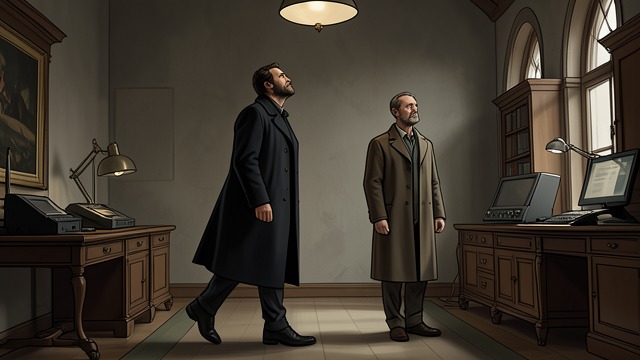
Mordecai’s Refusal Provokes Haman
A Courtly Grievance
Mordecai refuses to rise or bow as Haman passes. Haman interprets the behavior as an affront and learns that Mordecai is Jewish.
Resentment Enlarges
Rather than punish Mordecai alone, Haman seeks the destruction of the whole people. The shift turns wounded vanity into persecution on an imperial scale.
A Date Chosen by Lot

Haman Fixes the Day
Divination and Planning
Haman casts lots to select a favorable date for the Jews’ destruction. The chosen date falls on the thirteenth of Adar, many months away.
The Plan’s Unintended Delay
The long interval gives time for the threatened community to act and for court events to change. Carson presents the outcome as a reversal of the purpose behind the lot.
A Borrowed Triumph
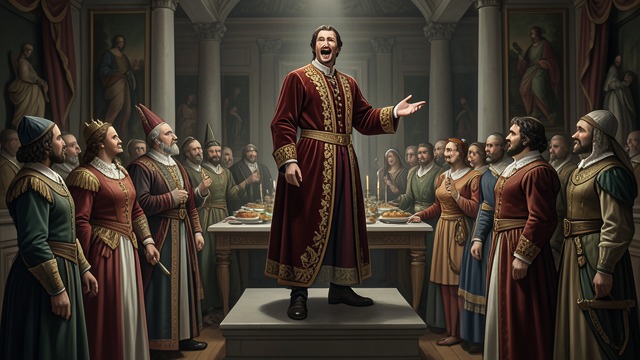
Haman Mistakes the King’s Intention
Pride at Its Height
Haman boasts of wealth, children, royal favor, and invitations to Esther’s banquet. Yet Mordecai’s continued refusal makes these honors feel worthless to him.
The Desired Spectacle
When Ahasuerus asks how to honor a favored man, Haman imagines royal clothing, a horse, and public acclaim for himself. The same proposal will soon become the instrument of his humiliation.
The Gallows Reclaimed
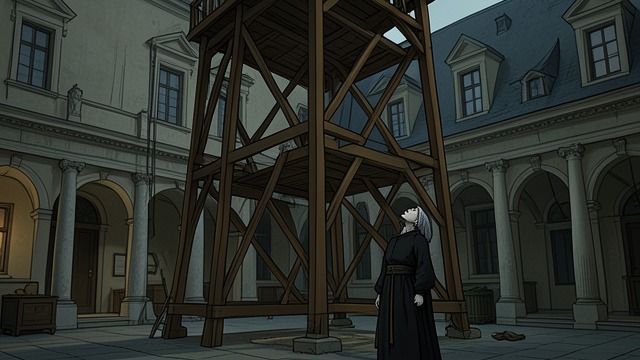
Haman Falls into His Own Design
A Planned Execution
Haman builds a tall gallows for Mordecai and intends to ask the king for permission to use it. Before he can secure the order, the king’s sleepless night changes the court’s attention.
Judgment Reverses Direction
After Esther reveals Haman’s plot, the king orders Haman executed on the structure prepared for Mordecai. The would-be destroyer becomes the victim of his own scheme.
After Mordecai’s service is recorded
After the command to honor Haman
In Nisan of Ahasuerus’s twelfth year
After Esther’s first banquet
From the night Haman builds the gallows to his execution
